Coastal Escapes
Where the Land Meets the Tide
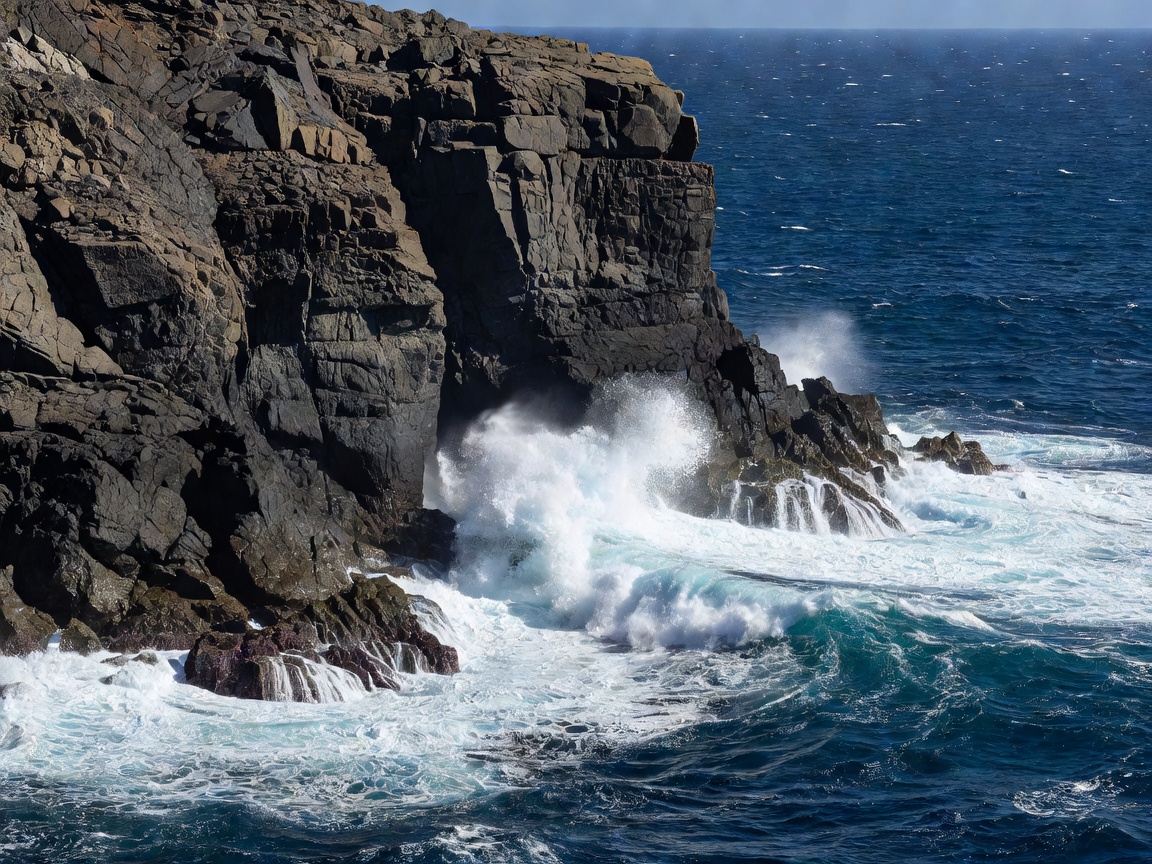
A generation resulting in a Coastal Escape points you toward the planet's edges. The ocean exerts a powerful influence over culture, climate, and pacing, creating destinations that are universally beloved but highly diverse in execution. From the sheer, wind-battered cliffs of the North Atlantic to the gentle, coral-fringed atolls of the South Pacific, a coastal trip revolves entirely around marine proximity.
The Spectrum of the Coast
Our database differentiates coastal regions heavily. A destination is not just "a beach." We classify coasts by their topography and wave action. You might generate a destination defined by sheltered coves and calm, swimmable waters, or you might draw a rugged, high-energy coastline famous for massive surf swells and dramatic coastal erosion.
Pros and Cons of Coastal Travel
Coastal environments are incredibly popular for good reason, but they come with specific logistical considerations that vary wildly depending on the latitude.
The Pros
The primary draw of a coastal escape is the lifestyle. Coastal towns often operate on a slower, more relaxed schedule dictated by the tides and daylight rather than corporate clocks. The culinary benefits are immense; if you appreciate fresh seafood, coastal destinations provide access to ingredients pulled from the water mere hours before serving. Health-wise, the presence of the ocean encourages outdoor activity, from swimming and surfing to extensive cliff-top hiking.
The Cons
Weather is the major unpredictable variable. Coastal micro-climates can shift rapidly, bringing sudden fog banks, high winds, or heavy coastal rain even during supposedly dry seasons. Furthermore, popular coastal escapes suffer heavily from seasonal inflation. During peak summer months, accommodation prices skyrocket, and pristine beaches can become overcrowded, diluting the promised relaxation. Sand and salt are also highly corrosive to electronics and can be frustrating to manage over a long trip.
Packing for the Coast
Packing for a coastal trip requires balancing sun protection with wind resistance. High-quality, polarized sunglasses are essential to cut through the intense glare off the water. Regardless of the latitude, sun protection—reef-safe sunscreen, wide-brimmed hats, and UV-protective clothing—is critical, as water reflects and amplifies UV rays.
Even tropical coasts can experience brisk evening winds, so a light windbreaker should always make the packing list. If your generated destination features a rocky or coral-heavy coastline rather than soft sand, robust water shoes will save your feet from painful cuts and urchin spines.
Coastal Variations
If you draw a Mediterranean-style coast (such as the Amalfi Coast or parts of Greece), expect pebble beaches, steep terraced cliff sides, and a heavy emphasis on historic maritime culture. A tropical coastal generation (like the Maldives or Caribbean) leans heavily into resort-style relaxation, soft sand, and high humidity. Conversely, a cold-water coast (like the rugged shores of Oregon, USA, or the Scottish Isles) offers dramatic, moody scenery prioritizing hiking, wildlife watching (such as whales and seabirds), and thick wool sweaters over sunbathing.
Let the Pickindexbriskly algorithm drop you on a new shore, and let the rhythm of the ocean set your itinerary.