Remote Wilderness
Survive and Thrive in Nature
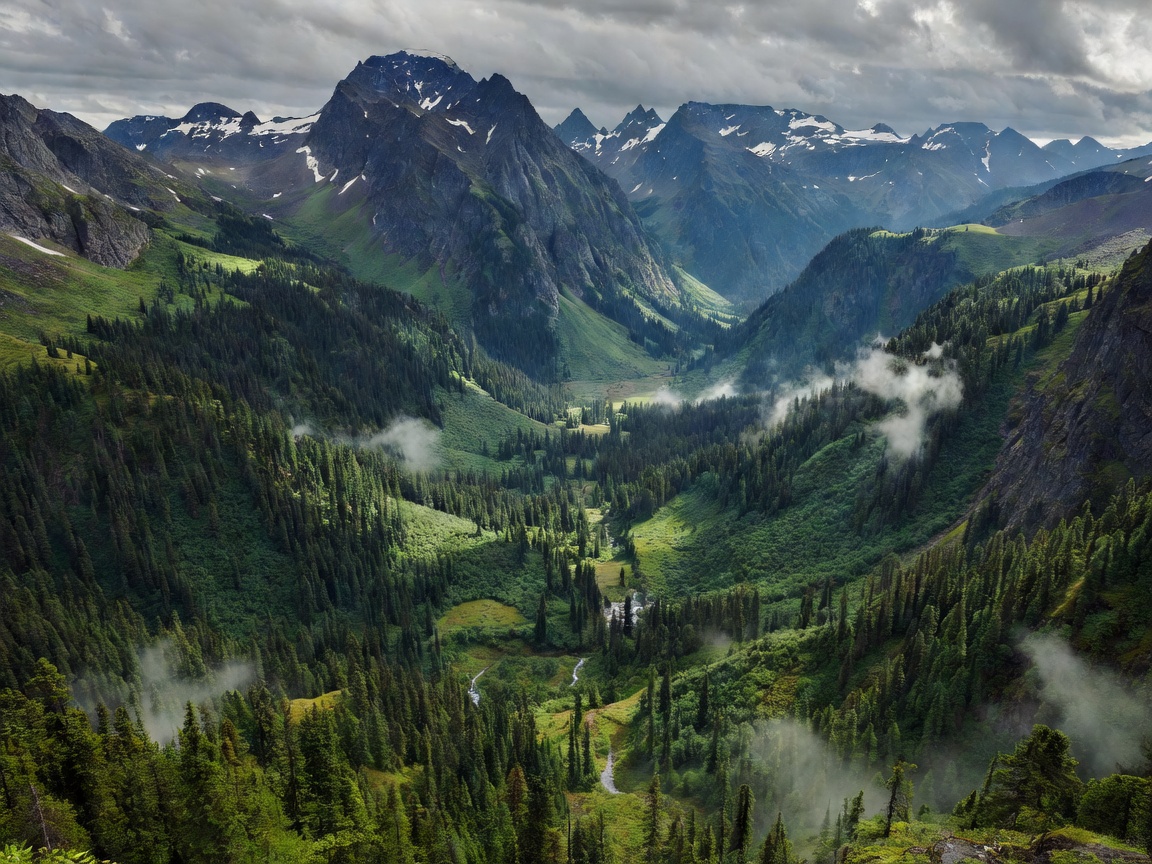
If the Pickindexbriskly generator assigns you a Remote Wilderness destination, prepare to leave civilization firmly in the rearview mirror. These destinations are characterized by their lack of human infrastructure, vast expanses of untamed ecology, and an intrinsic demand for self-reliance. From the dense, humid expanses of the Amazon basin to the razor-sharp alpine ridges of the Patagonian Andes, wilderness travel is a raw, unedited encounter with the planet.
Defining the Wild
In our classification system, a destination is only tagged as "Remote Wilderness" if it requires significant effort to access and lacks primary emergency services within a short radius. You will not find paved visitor centers or perfectly manicured hiking trails here. Instead, expect rudimentary paths, unpredictable weather systems, and environments where wildlife holds right of way.
Pros and Cons of Wilderness Travel
Committing to a wilderness adventure is polarizing. It strips away modern comforts but replaces them with experiences that are increasingly rare in a hyper-connected world.
The Pros
The foremost benefit is absolute tranquility. The absence of engine noise, artificial light pollution, and cellular alerts provides a profound psychological reset. Wilderness environments offer unparalleled stargazing and the chance to witness ecosystems functioning exactly as they have for millennia. Furthermore, traversing difficult terrain brings a deep sense of personal accomplishment that a standard city break simply cannot replicate.
The Cons
The inherent lack of infrastructure is the primary challenge. If something goes wrong—a twisted ankle, lost gear, or sudden severe weather—you are largely on your own until help can be summoned and mobilized, which can take days. Hygiene standards drop significantly, as you will likely be relying on natural water sources and backcountry sanitation protocols. Finally, wilderness travel is physically demanding; it requires a baseline level of cardiovascular fitness and the ability to carry heavy loads over uneven ground.
Essential Preparation and Gear
You cannot spontaneously board a plane to a remote wilderness without meticulous preparation. Your gear is your lifeline. A robust, appropriately rated shelter (tent or bivouac) and a sleeping system tailored to the expected overnight lows are non-negotiable.
Navigation is another critical factor. Do not rely solely on a smartphone GPS, as batteries die quickly in cold weather, and satellite signals can be obscured by dense canopy or deep canyons. Always carry a physical topographical map, a magnetic compass, and ideally a dedicated satellite messenger device (such as a Garmin inReach) for emergency SOS broadcasts.
Wilderness Typologies
The random generator spans various wilderness types, each presenting unique challenges. Alpine environments demand respect for altitude sickness and rapidly dropping temperatures. Desert wildernesses test your water management and heat endurance, featuring scorching days and freezing nights. Dense boreal or tropical forests require intense navigation skills due to lack of sightlines, along with diligent insect and wildlife precautions.
A Remote Wilderness trip generated by Pickindexbriskly is an invitation to test your limits. Respect the environment, prepare obsessively, and allow the isolation to reshape your perspective.