Off-Grid Retreats
Unplug and Reset
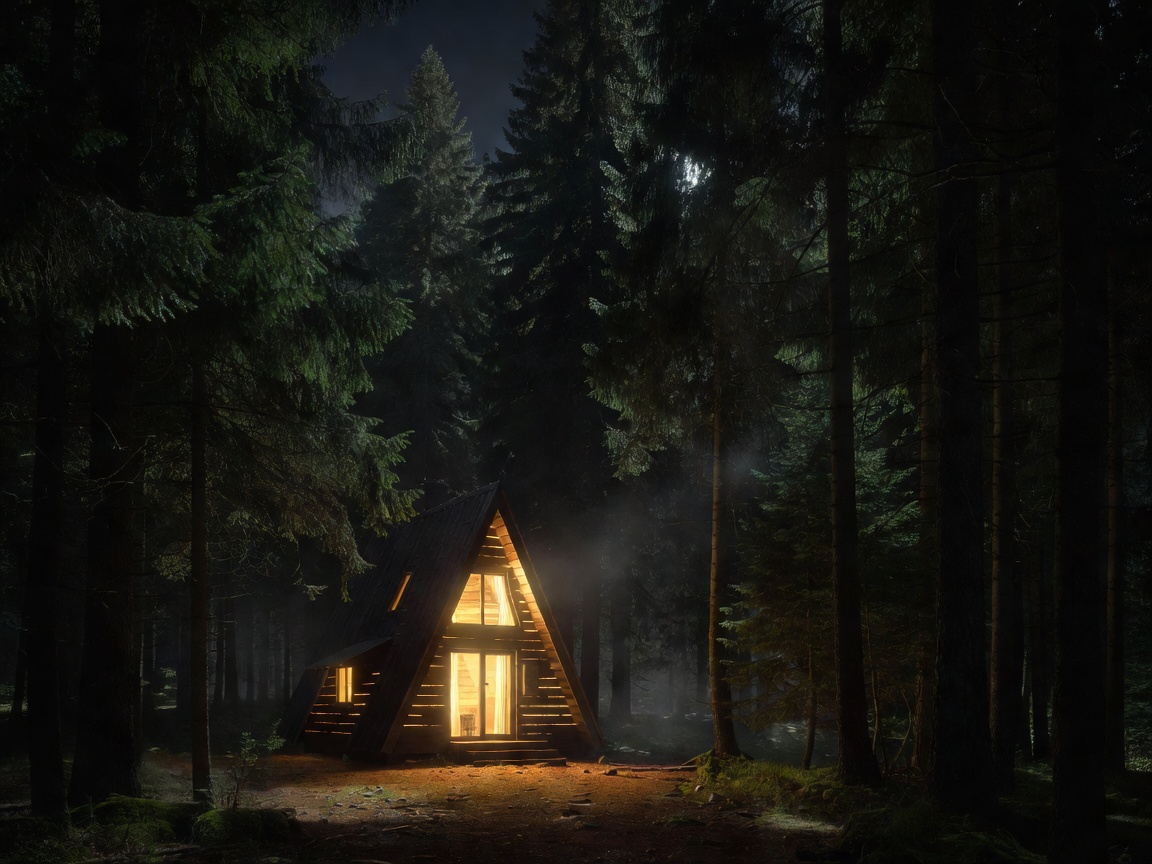
When you are matched with an Off-Grid Retreat, it is time to sever your connection to the digital world. Unlike the raw survival aspect of Remote Wilderness, an off-grid retreat provides shelter and basic comforts, but entirely eschews modern municipal connections. These are isolated cabins, sustainable eco-lodges, and traditional nomadic structures designed to blend seamlessly with their environment while forcing you to slow down and live intentionally.
Defining Off-Grid Living
To qualify for this category in our system, a destination must lack at least two of the three main municipal utilities: grid electricity, piped water, or centralized sewage. Energy is typically generated on-site via solar, wind, or wood. Water is harvested from rain or local wells, and waste is managed through composting systems. Most importantly, cellular service and Wi-Fi are either nonexistent or strictly rationed.
Pros and Cons of Disconnecting
Choosing to step off the grid is a deliberate act of digital detoxification. It is not for everyone, but those who embrace it often find it transformative.
The Pros
The mental clarity gained by removing digital distractions is immense. Without the constant drip of emails and social media, time seems to stretch, allowing for deep reading, uninterrupted conversation, and genuine relaxation. Off-grid retreats also heavily minimize your environmental footprint. Staying in a facility that generates its own power and processes its own waste offers a hands-on education in sustainable living practices.
The Cons
The lack of instant communication can induce anxiety for those accustomed to constant connectivity. If an emergency arises back home, you may not know for days. Furthermore, resource management becomes a daily chore. You cannot take a 30-minute hot shower if the water tank relies on yesterday's rainfall, and you cannot leave lights burning if the solar batteries are running low. Temperature control is also manual—if you want to be warm in a winter cabin, you must chop the wood and tend the fire yourself.
Packing for the Analog World
Packing for an off-grid retreat revolves around self-entertainment and illumination. Bring physical books, sketchpads, or playing cards; do not rely on downloaded movies, as charging your tablet may drain the retreat's limited power supply. A high-quality headlamp or battery-powered lantern is essential, as off-grid structures are notoriously dim after sunset.
Since you will likely be cooking your own meals with limited appliances (often just a gas stove or wood-fire), plan a menu of non-perishable, easy-to-prepare ingredients. Comfort items like thick wool socks, a high-quality thermos, and a journal will vastly improve the experience.
Types of Off-Grid Structures
Your random generation could place you in wildly different environments. You might find yourself in a minimalist, architecturally stunning A-frame cabin deep in the Scandinavian pine forests, relying on a wood stove for survival. Alternatively, you could be routed to a Mongolian yurt on the open steppe, experiencing traditional nomadic isolation. Or perhaps an eco-lodge suspended in the canopy of a Costa Rican cloud forest, surrounded by biodiversity but utterly detached from the power grid.
An Off-Grid Retreat is the ultimate antidote to modern burnout. Let the generator decide where you will unplug.