Urban Metropolis
Embrace the Concrete Jungle
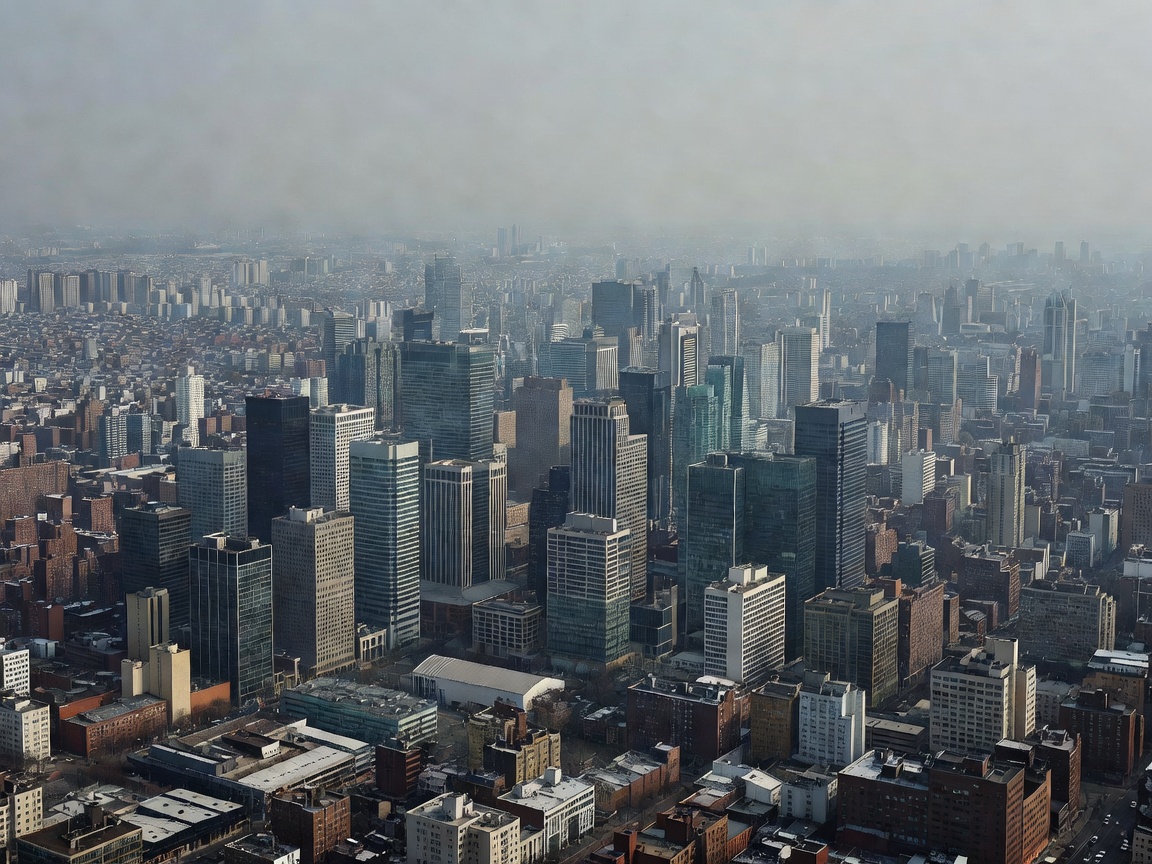
When our random destination generator lands on an Urban Metropolis, you are instantly assigned to one of the world's dense, fast-paced, and highly developed hubs. These are cities defined by staggering architecture, complex public transit systems, and a sheer volume of human activity that never truly sleeps. Whether you find yourself routed to the neon-drenched streets of a sprawling Asian mega-city or the historical yet rapidly modernizing financial districts of Europe, the urban experience is intense, demanding, and profoundly rewarding.
Characteristics of the Mega-City
Our database classifies an Urban Metropolis not just by a high population count, but by density and infrastructure. A true metropolis offers multi-modal public transit (subways, trams, buses), diverse culinary scenes ranging from Michelin-starred restaurants to century-old street food stalls, and a distinct lack of silence. The architecture is primarily vertical, utilizing skyscrapers and high-density residential blocks to maximize land use.
Pros and Cons of Urban Travel
Traveling to a massive city comes with distinct advantages and distinct hurdles. It is crucial to understand what you are getting into before you book your flights to a randomly generated concrete jungle.
The Pros
First and foremost is convenience. Urban centers possess immense resources. If you need a specific type of cuisine at 3 AM or a replacement camera battery on a Sunday, a metropolis can provide it. Furthermore, cities are melting pots of culture. You can visit world-renowned art galleries in the morning, attend an underground music gig in the afternoon, and end the day in a historic tavern. Public transportation also means you rarely, if ever, need to rent a vehicle, dramatically reducing logistical stress once on the ground.
The Cons
The primary downside is sensory overload. The constant noise, bright lights, and shoulder-to-shoulder crowds can quickly drain even the most extroverted traveler. Additionally, urban destinations are generally significantly more expensive than rural areas. Accommodation costs in city centers command a heavy premium, and daily expenses like food and entry fees to attractions can accumulate rapidly. Finally, the sheer scale of a mega-city means you will spend a considerable portion of your day in transit—riding subways or sitting in taxis—just to get from one neighborhood to another.
Packing and Preparation
Packing for a metropolis requires a strategic approach to comfort and security. You will likely walk far more than you anticipate—it is not uncommon to clock upwards of 20,000 steps a day when navigating subway transfers and sprawling museum corridors. Footwear is paramount; prioritize well-cushioned, broken-in walking shoes over fashion.
Security is also a factor. While major cities are generally well-policed, petty crime and pickpocketing are realities in crowded tourist zones and transit hubs. A low-profile, secure daypack or cross-body bag is highly recommended. Because urban environments fluctuate in temperature—moving from sweltering concrete streets to heavily air-conditioned transit cars—layering is essential. A lightweight, packable jacket will serve you well.
Comparing Urban Archetypes
Not all cities feel the same. If the generator selects a North American hub like New York or Chicago, expect a grid-based layout dominated by towering steel and glass, alongside robust but aging transit infrastructure. Conversely, a European metropolis such as London or Paris blends high-density modern living with ancient, winding street plans that defy simple navigation. An East Asian mega-city like Tokyo or Seoul offers an entirely different flavor: immaculate, hyper-efficient public transit, an incredibly dense integration of commercial and residential zoning, and a distinct blend of hyper-modernity and deeply preserved tradition.
Whichever metropolis the algorithm hands you, approach it with energy. The city will not adapt to you; you must adapt to the rhythm of the city.